Fine Line & Minimalist tattoos
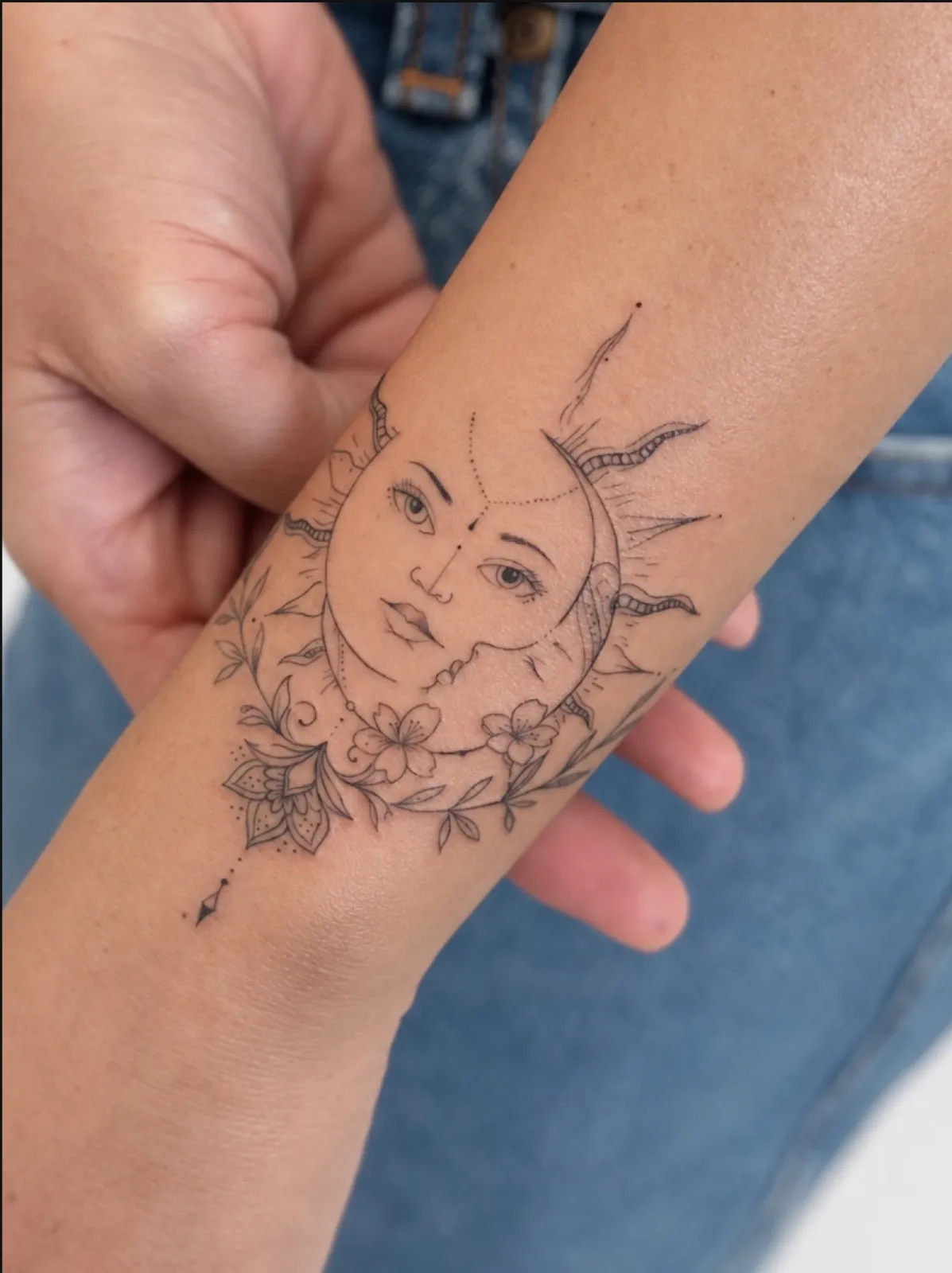
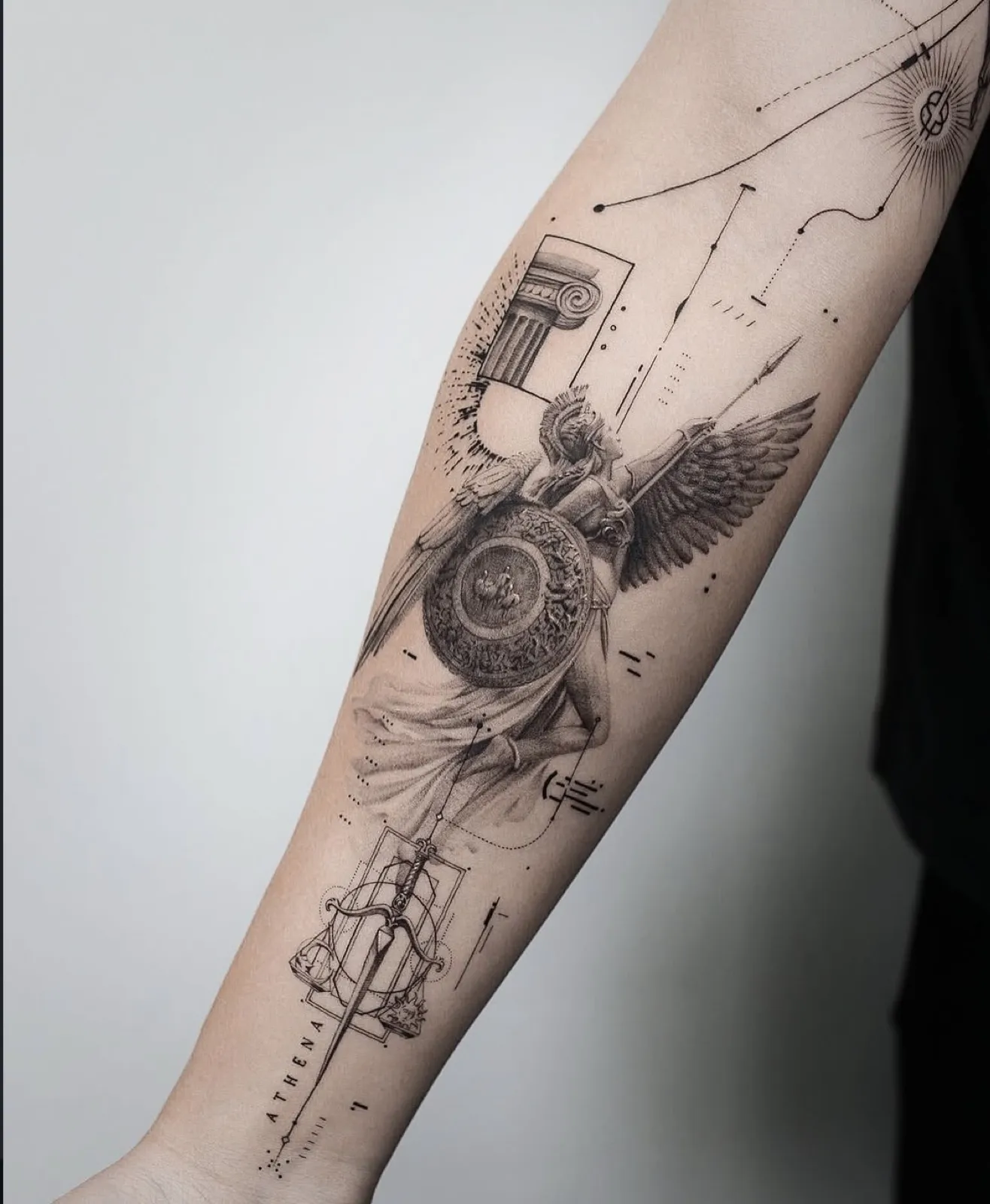
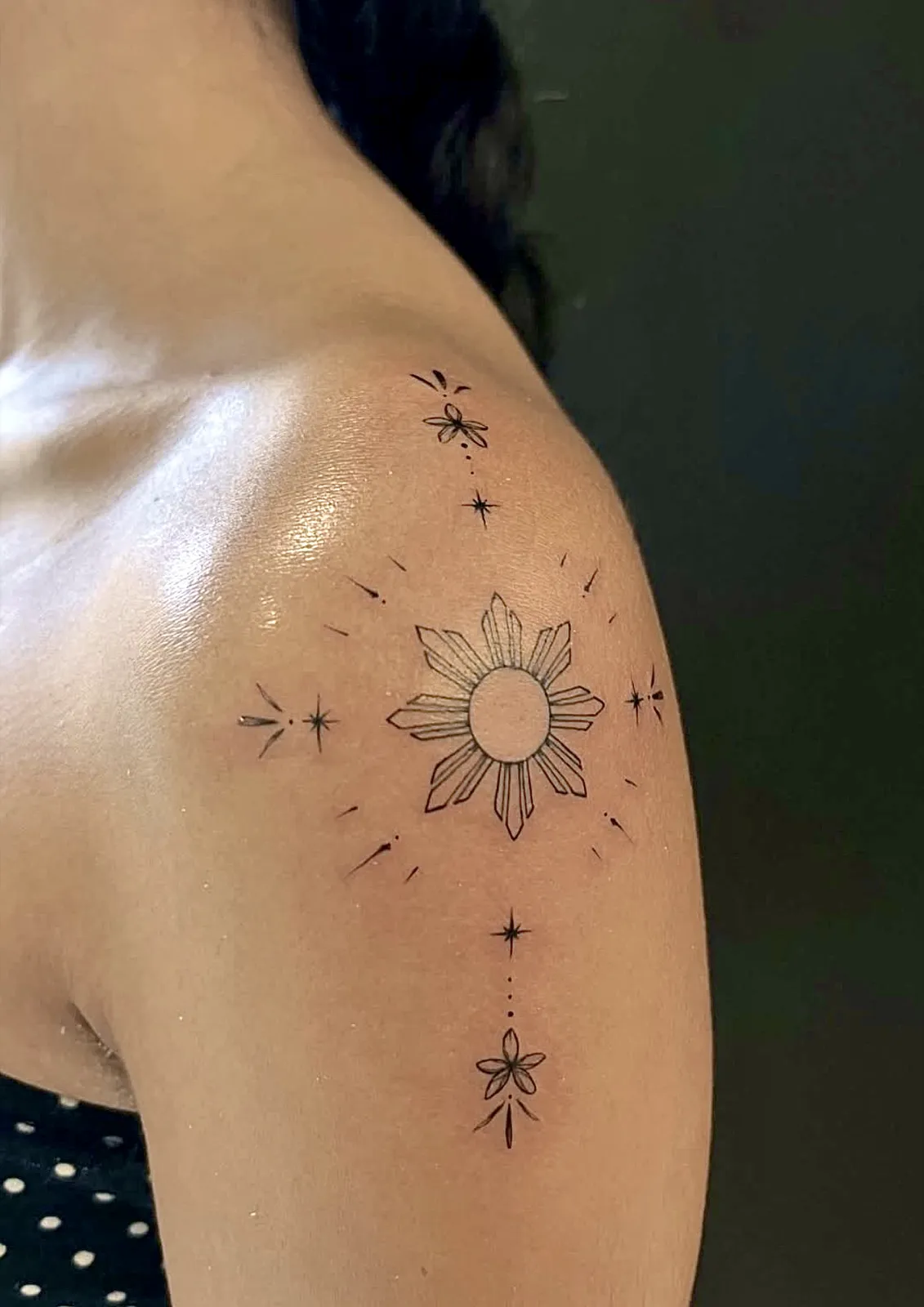
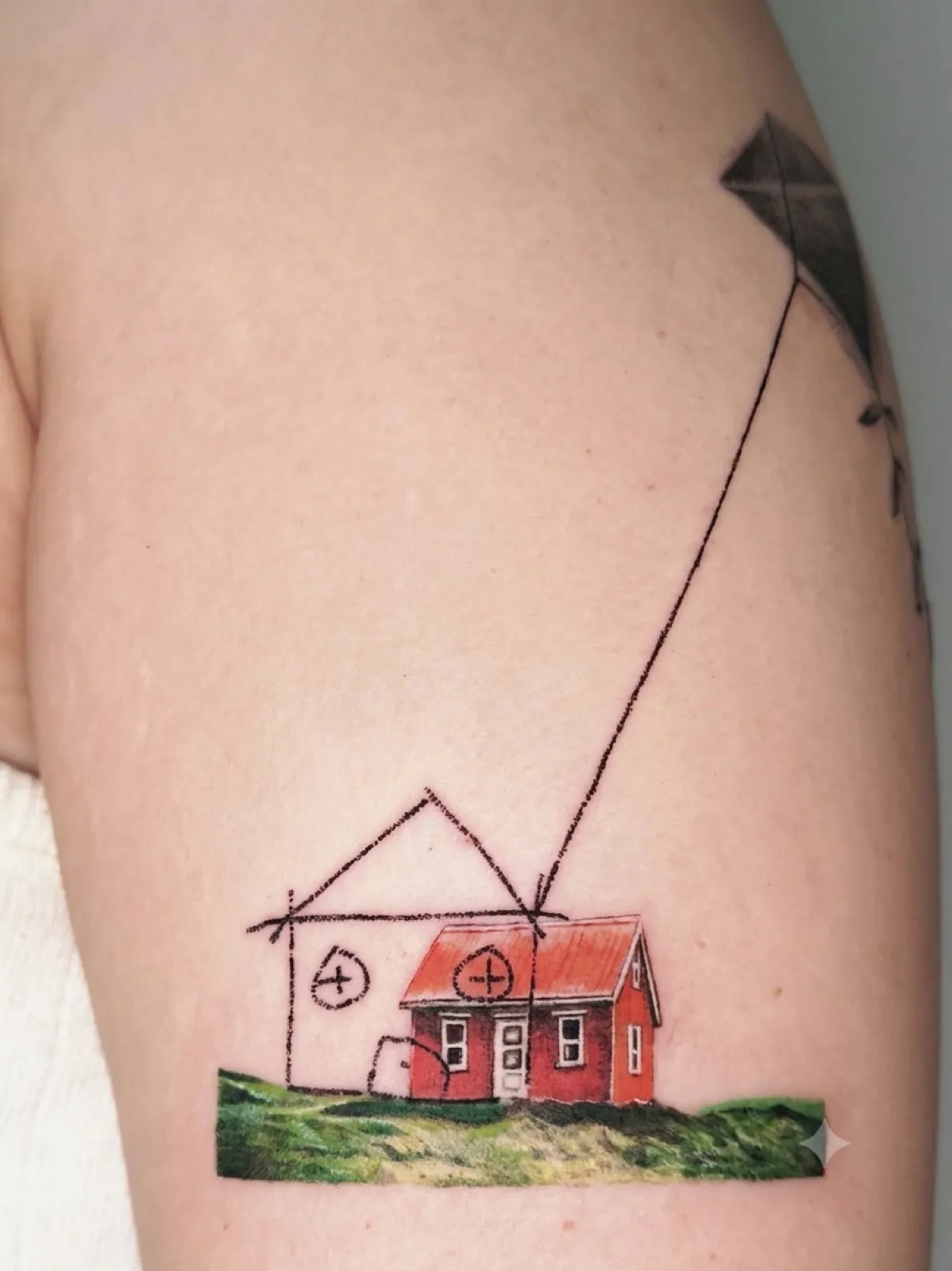
Thin single-needle lines with little or no shading: minimalist florals, script, small symbols and micro designs. Bring the exact text or reference you want, note the placement, and expect the artist to advise on a minimum size so the lines age cleanly.
How it ages: Thin lines soften and spread slightly over the years, so very small details can blur together; a touch-up after a few years keeps them crisp.
Works best for: Script, small florals and symbols on the wrist, ankle, collarbone or ribs. Keep text and detail large enough that the lines have room to breathe.
See the 24 artists who tattoo fine line & minimalist →
Watercolor tattoos
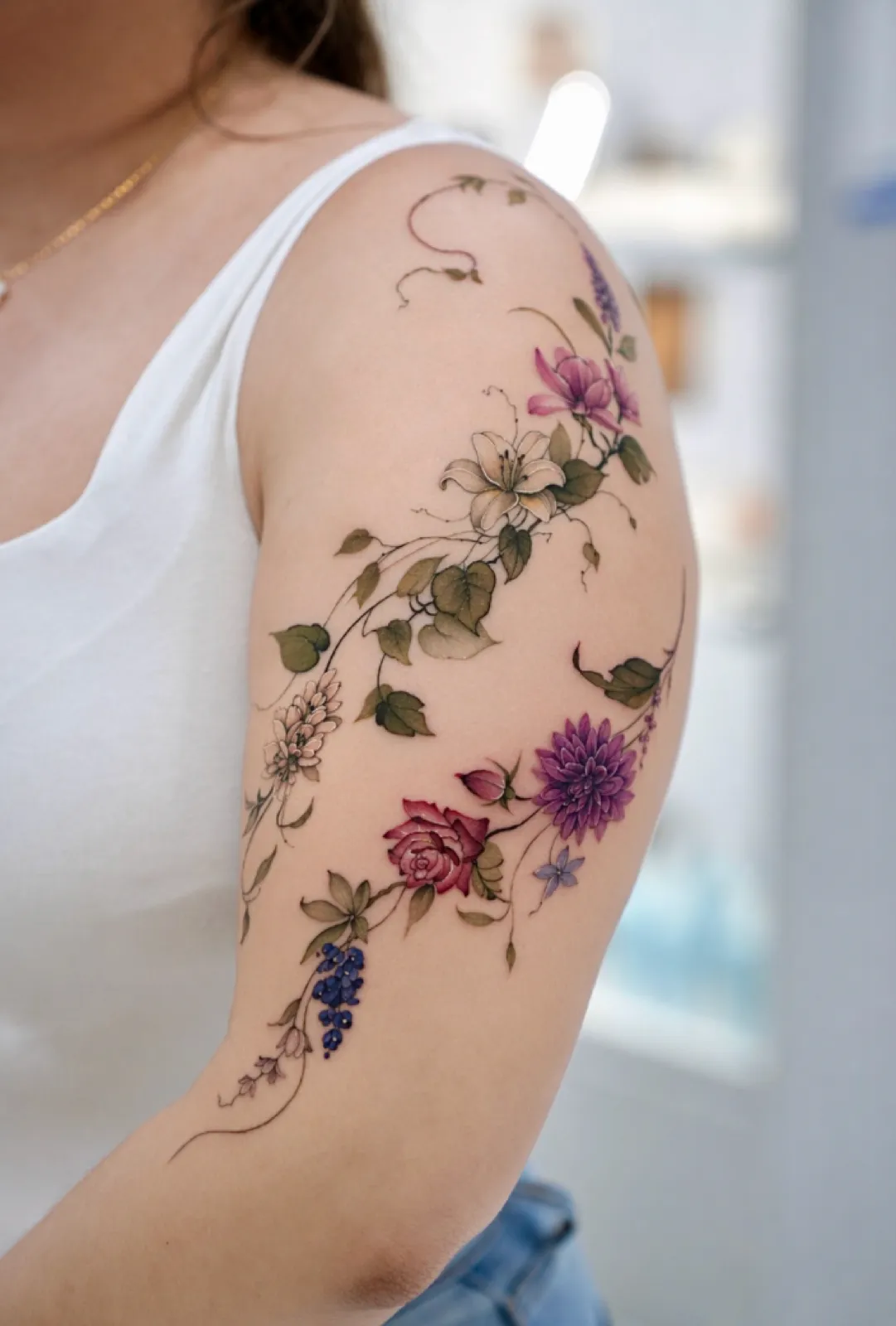
Soft color washes and painterly edges, with or without a black outline. Bring reference images that show the colors you like and say whether you want an outline; the artist plans saturation and contrast around your skin tone and placement.
How it ages: Soft washes without a black outline fade faster than bold work; a thin outline or a few darker accents help the shape hold as the color settles.
Works best for: Medium to large pieces on the forearm, shoulder, thigh or back, where the color has room to blend.
See the 11 artists who tattoo watercolor →
Realism tattoos
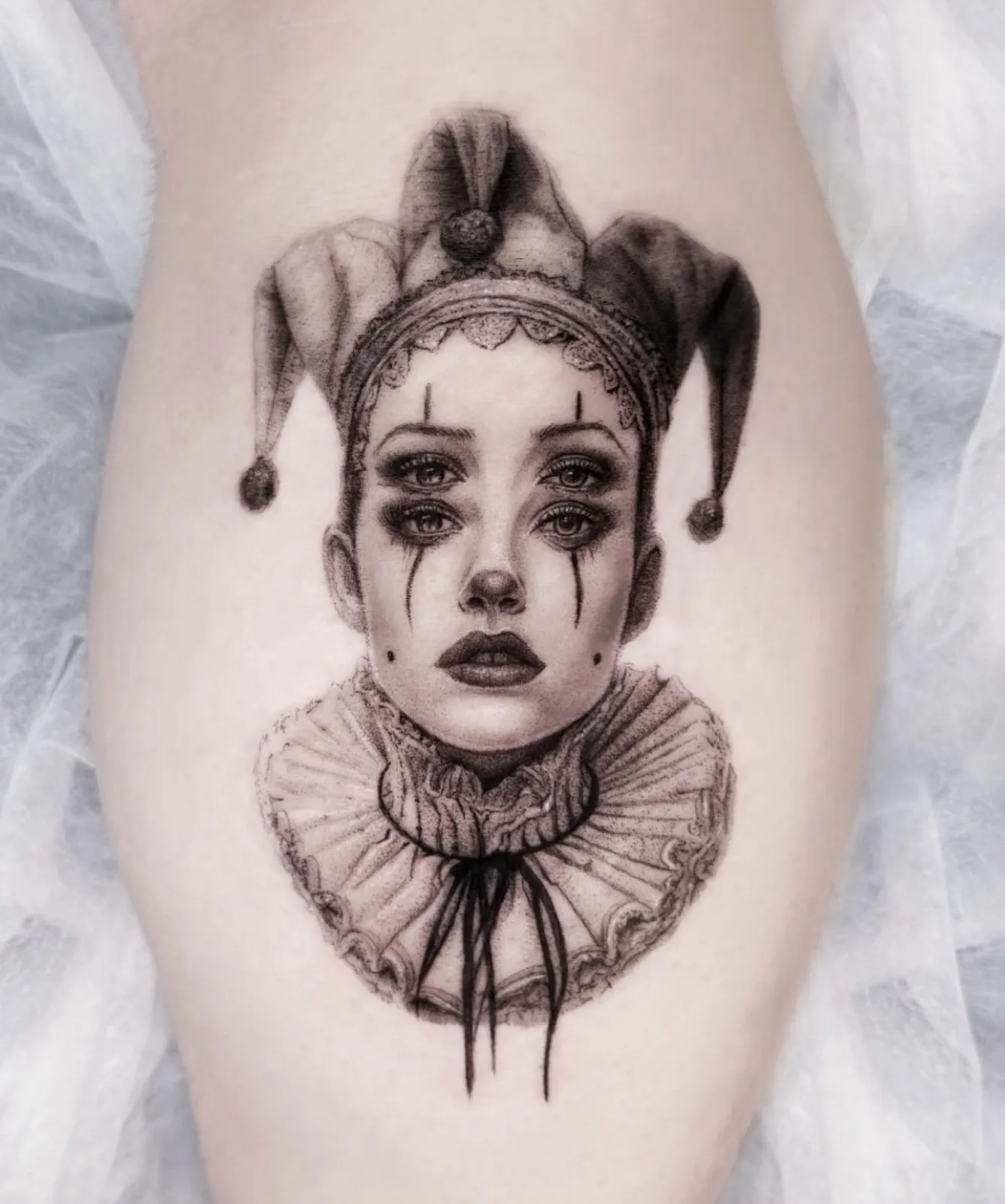
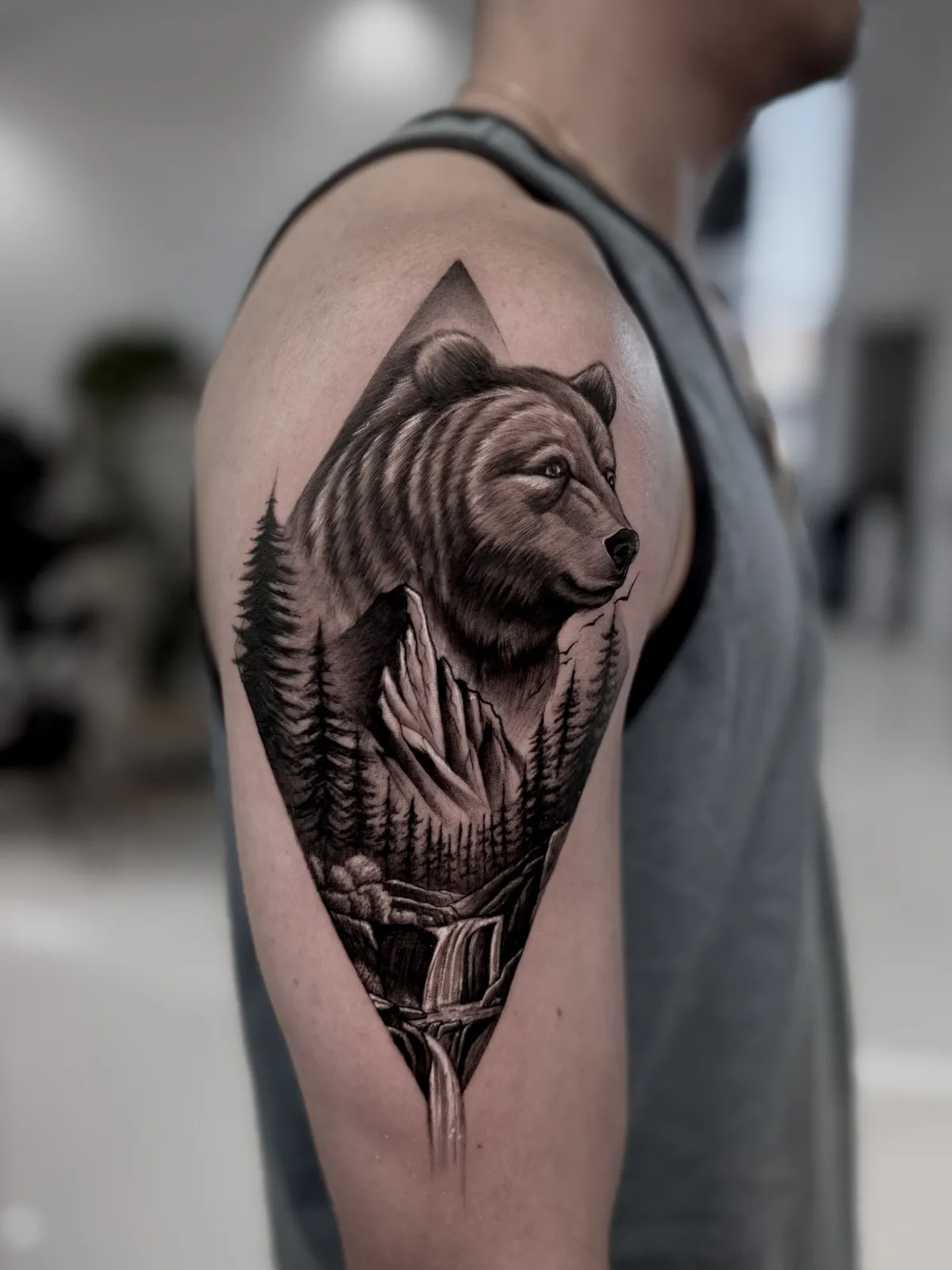
Photographic detail rendered from reference photos — portraits, animals, objects and nature — in black & grey or color. Bring sharp, well-lit, high-resolution photos; large pieces are usually quoted as multiple sessions.
How it ages: Contrast carries realism over time: pieces with strong darks and a clear light source hold up far better than low-contrast ones.
Works best for: Larger placements such as the forearm, calf, thigh, back or a sleeve, where there is room for the detail a photo-based design needs.
See the 15 artists who tattoo realism →
Black & Grey tattoos
Black ink and diluted grey wash, from soft shading to solid blackwork, used across realism, illustrative and ornamental designs. Bring references that show the tone you want (smoky versus solid) and mention any single accent color up front.
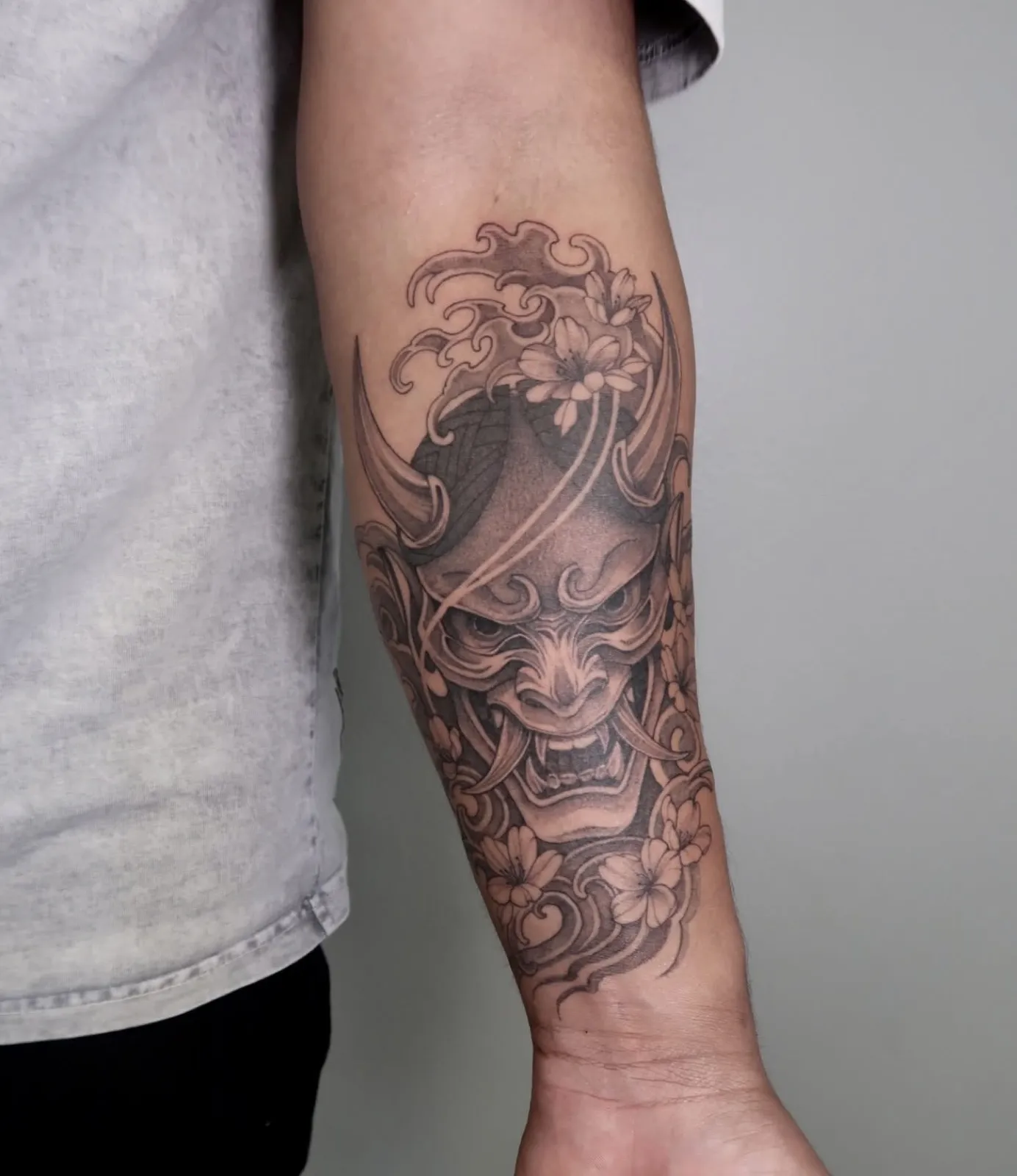
How it ages: Black and grey tends to age predictably. Grey wash softens gradually, while solid black stays readable for decades.
Works best for: Almost any placement and size, from small shaded pieces to full sleeves, and a common choice for realism and ornamental work.
See the 27 artists who tattoo black & grey →
Portrait tattoos
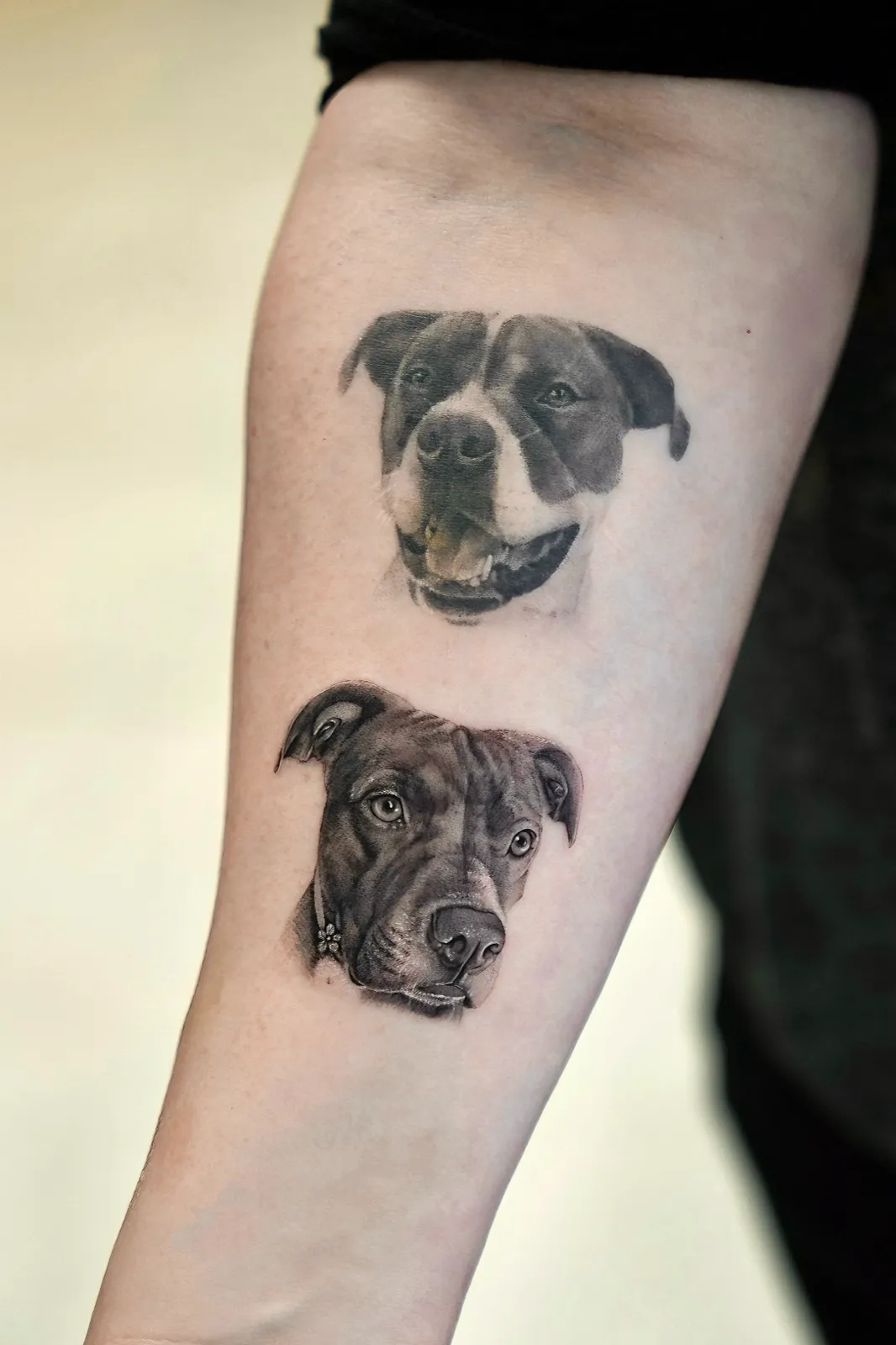
Faces and pets drawn from your own photos, from small memorial pieces to sleeves. Bring several clear photos where the subject fills the frame and is not in shadow; the artist picks the one that reads best at your size.
How it ages: Faces rely on small value shifts, so a portrait needs enough size and contrast for the likeness to survive as the skin changes.
Works best for: Placements with a flat, stable surface, such as the outer forearm, upper arm, calf or thigh, at a size where the eyes and features can be rendered clearly.
See the 9 artists who tattoo portrait →
Cybersigilism tattoos
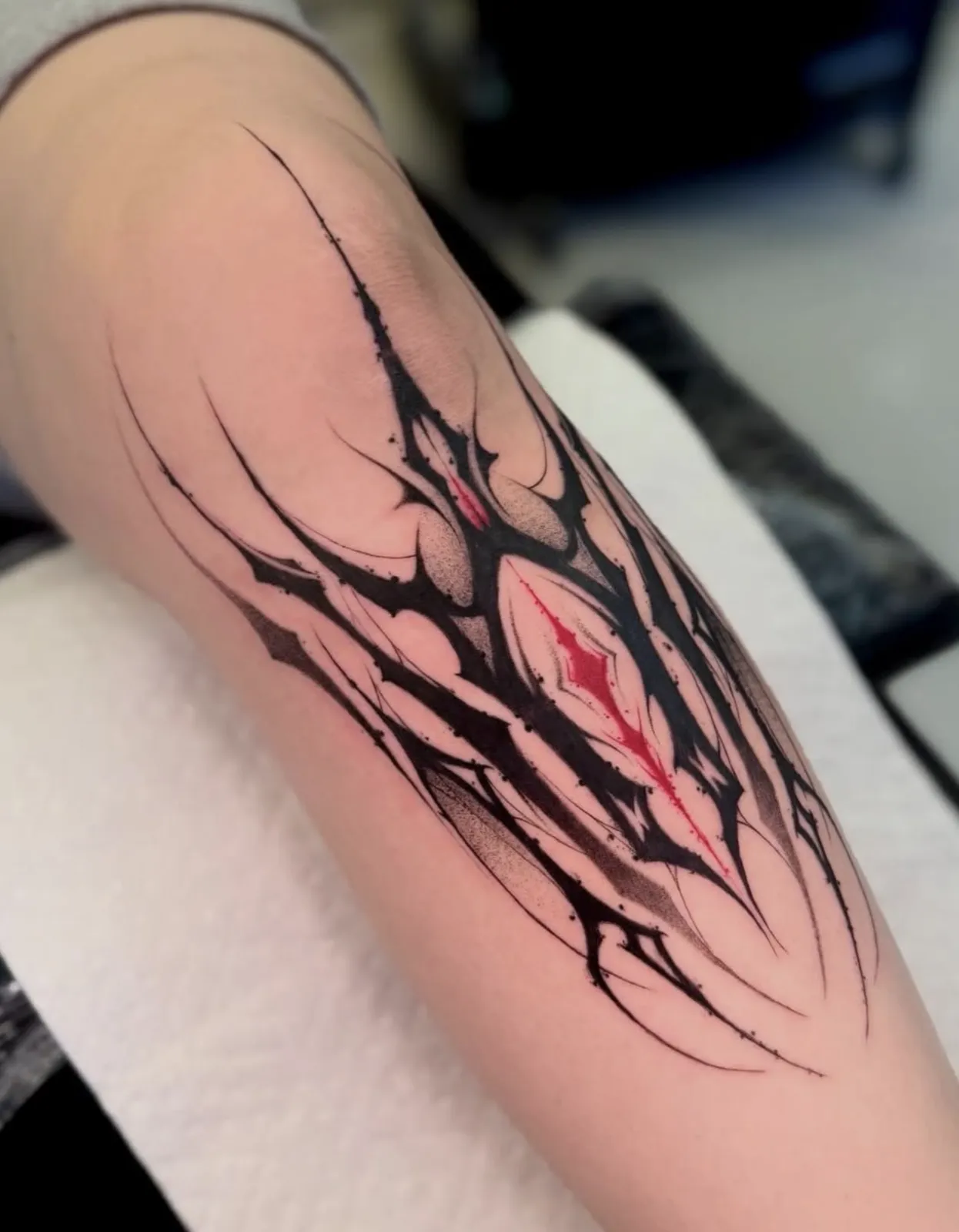
Sharp, symmetrical, sigil-like linework in solid black, drawn to follow the spine, sternum, forearms or hands. Bring your placement and any shapes you like; the design is drawn to your anatomy rather than copied from a sheet.
How it ages: Solid black linework holds well. The finest points and hairline tips soften first, so the artist keeps the thinnest strokes to a readable weight.
Works best for: Designs drawn to follow the body: spine, sternum, forearm, hand, neck and ribs.
See the 4 artists who tattoo cybersigilism →
Micro Realism tattoos
Realism at a small scale — tiny portraits, flowers, objects and animals meant to read from a few inches away. Bring one clear reference photo and your placement; the artist will set a minimum size so detail survives healing.
How it ages: Tiny detail blurs as ink settles over the years, so micro realism depends on the artist setting a minimum size and keeping contrast strong.
Works best for: Small, detailed pieces on the inner forearm, bicep, calf or behind the ear, viewed up close.
See the 13 artists who tattoo micro realism →
Ornamental tattoos
Decorative geometry, dotwork, mandalas and jewelry-like patterns that wrap the body. Bring photos of the area (and any existing tattoos nearby) since ornamental work is fitted to placement and often finalized on the day.
How it ages: Dotwork and geometry age well when the pattern is spaced generously; dense dots packed too tightly can fill in over time.
Works best for: Pieces that wrap or frame the body: sternum, spine, hands, shoulders, and bands around the arm or leg.
See the 10 artists who tattoo ornamental →
Traditional tattoos
Bold black outlines, a limited color palette and classic motifs, including neo-traditional variations. Bring the motif and any banner text you want; traditional designs also appear on our flash sheets and can be booked directly.
How it ages: Bold outlines and saturated color are built to last, which is why traditional designs stay readable for decades.
Works best for: Any size and most placements. Traditional motifs also work well as small standalone pieces or to fill gaps between tattoos.
See the 10 artists who tattoo traditional →
Old School tattoos
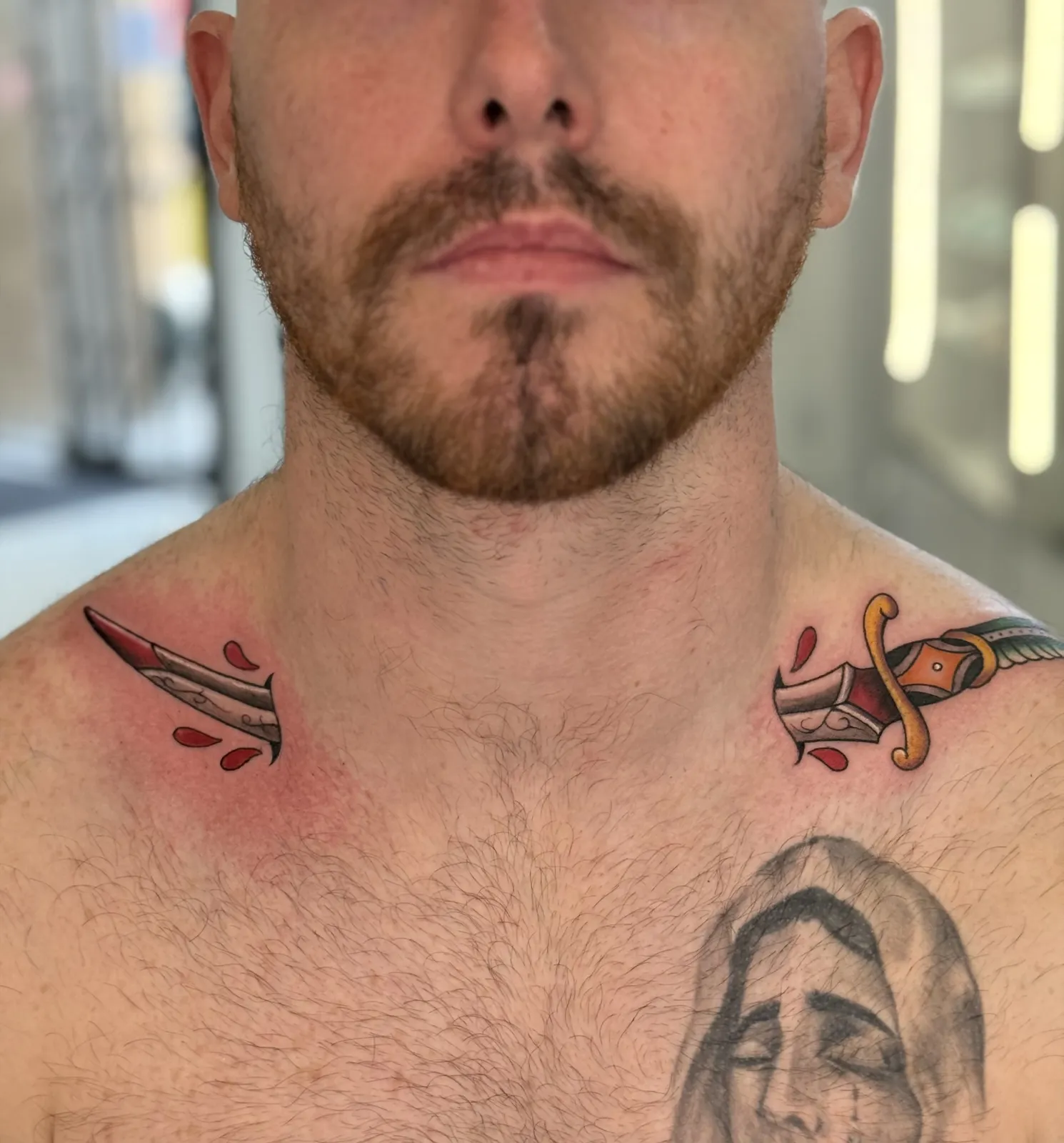
Mid-century sailor flash: heavy black, red and yellow, and iconic imagery such as swallows, daggers, roses and anchors. Bring the classic design you want and say what to change — text, colors or details — in the request.
How it ages: Heavy black and a small, saturated palette keep old school work clear over time, much like traditional.
Works best for: Classic flash-sized pieces on the arms, legs and chest, and collections of small designs built up over several visits.
See the 8 artists who tattoo old school →
Anime / Cartoon tattoos
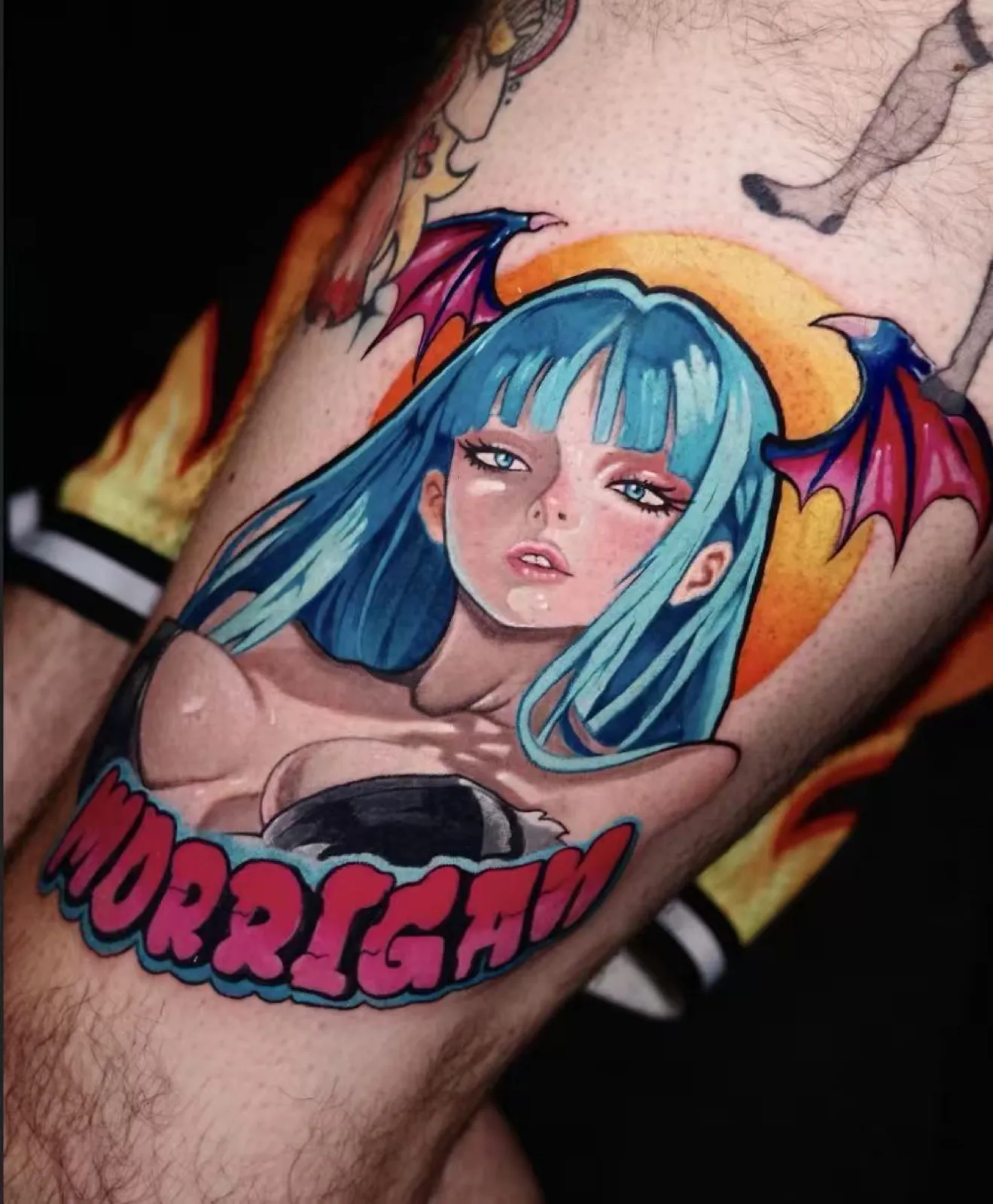
Anime, manga and cartoon characters with clean lines and cel-style color, either faithful to the source or in the artist's own hand. Bring the specific frames or character sheets you like and state whether you want color or black & grey.
How it ages: Clean outlines keep characters recognizable as the color softens; pale and pastel palettes may need a refresh sooner than bold ones.
Works best for: Character pieces sized so faces and eyes stay readable, commonly on the forearm, calf, thigh or as part of a sleeve.
See the 15 artists who tattoo anime / cartoon →
Crayon tattoos
Crayon and pastel textures: visible stroke marks, soft edges and layered color, usually without a hard outline. Bring color references and a rough size; texture needs some room, so the artist may suggest going slightly larger.
How it ages: Without a hard outline, crayon textures soften over time; slightly larger sizes and some darker strokes help the design keep its shape.
Works best for: Playful, medium-sized pieces on the forearm, calf or shoulder, where the texture can be seen.
See the 2 artists who tattoo crayon →
Brushstroke tattoos
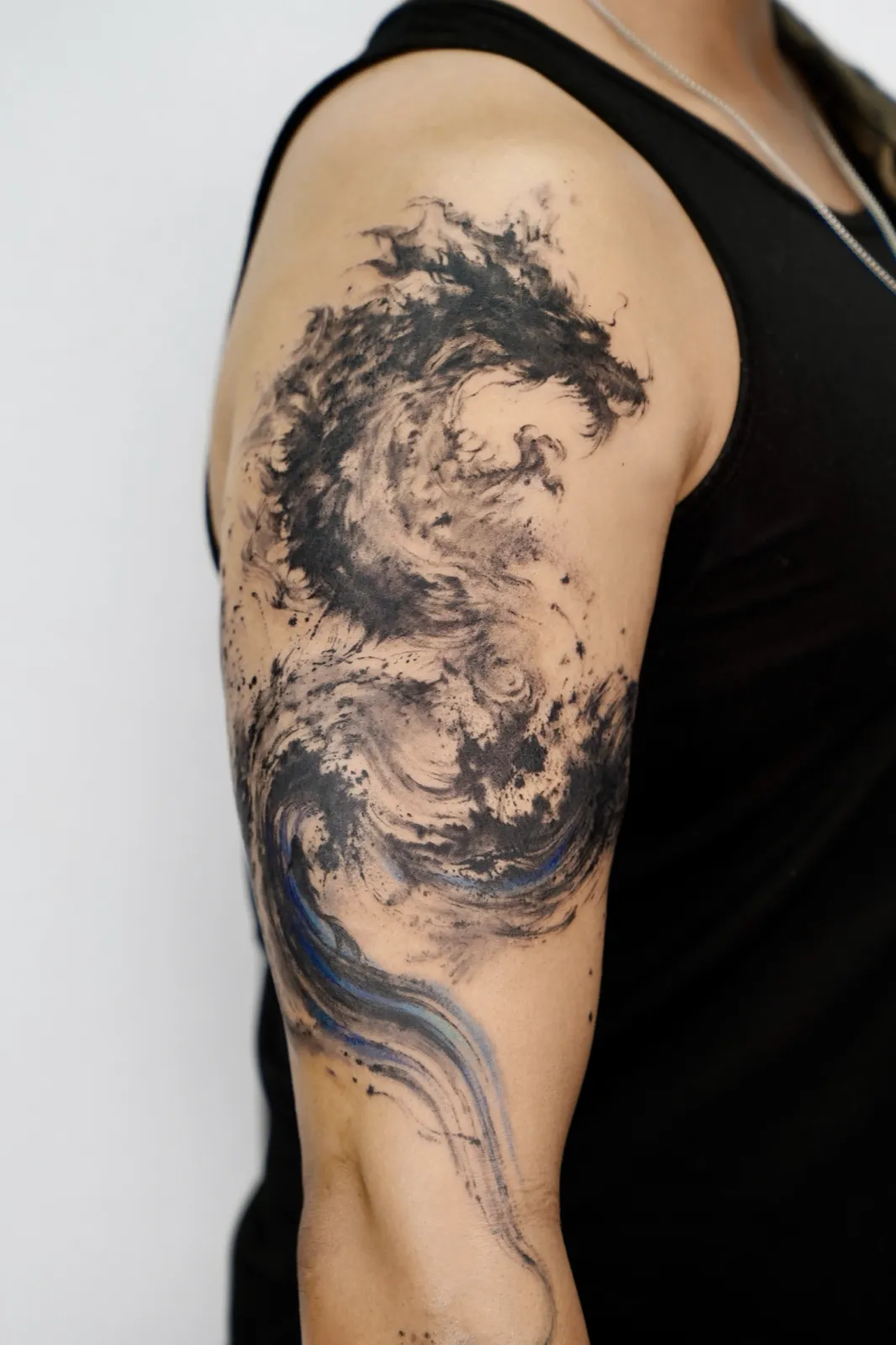
Ink-brush and Chinese ink work — calligraphic strokes, splashes and negative space — for dragons, koi, landscapes and characters. Bring the exact characters or text if any; the artist confirms spelling and meaning before tattooing.
How it ages: Solid ink strokes hold well; very thin, dry-brush edges soften first, so the artist balances texture with enough solid black.
Works best for: Calligraphy, dragons, koi and landscapes on the forearm, back, ribs or a sleeve, where the stroke direction can follow the body.
See the 6 artists who tattoo brushstroke →
Color tattoos
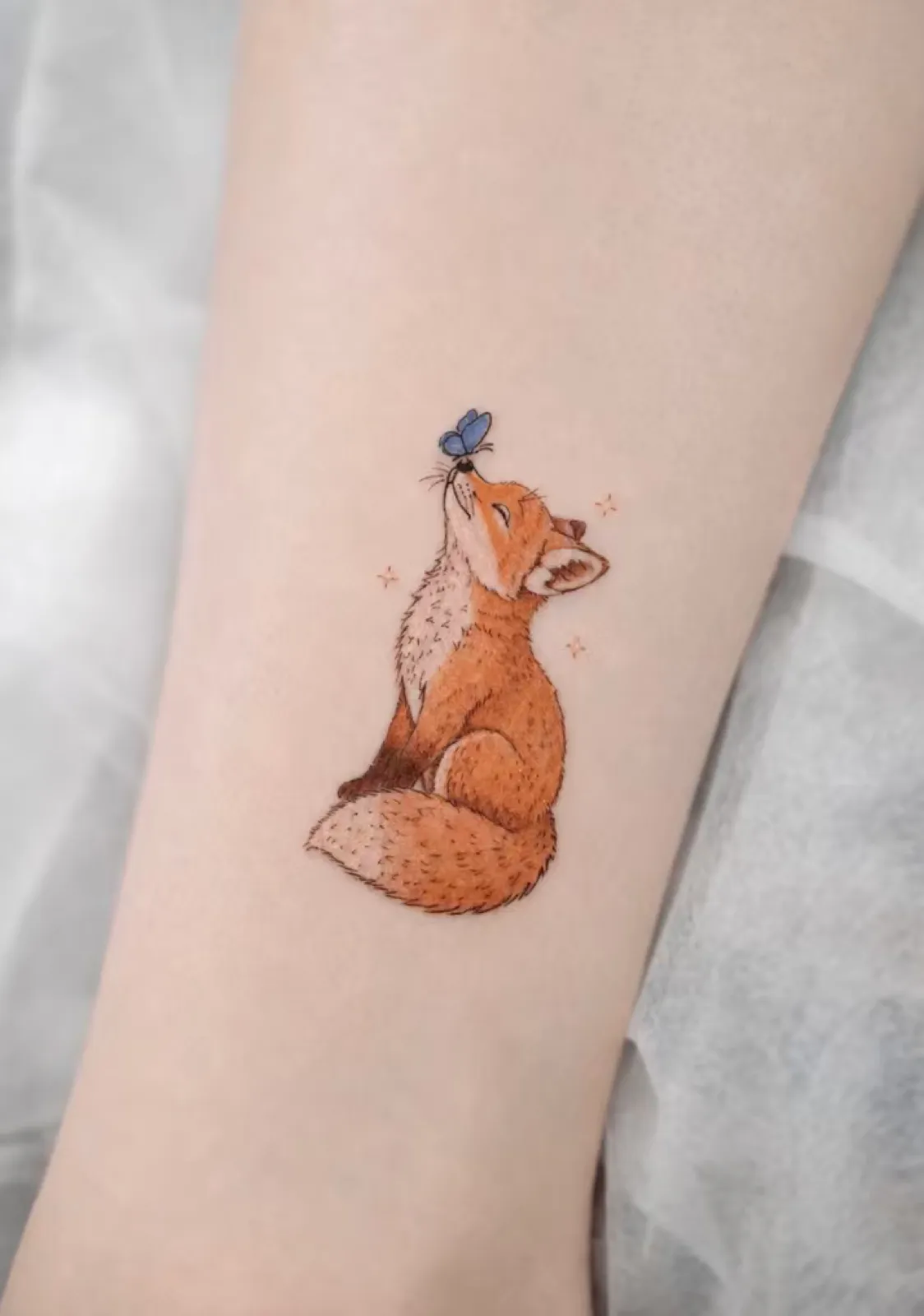
Full-color work across styles, from illustrative pieces to color realism. Bring references that show the palette you want; darker, saturated colors last longest, and the artist will balance the palette with longevity in mind.
How it ages: Darker, saturated colors last longest; pale yellows, pinks and whites fade first, especially with sun exposure, and sunscreen slows that down.
Works best for: Pieces of any style where the palette matters, with the colors chosen for your skin tone.
See the 21 artists who tattoo color →
Cover Up tattoos
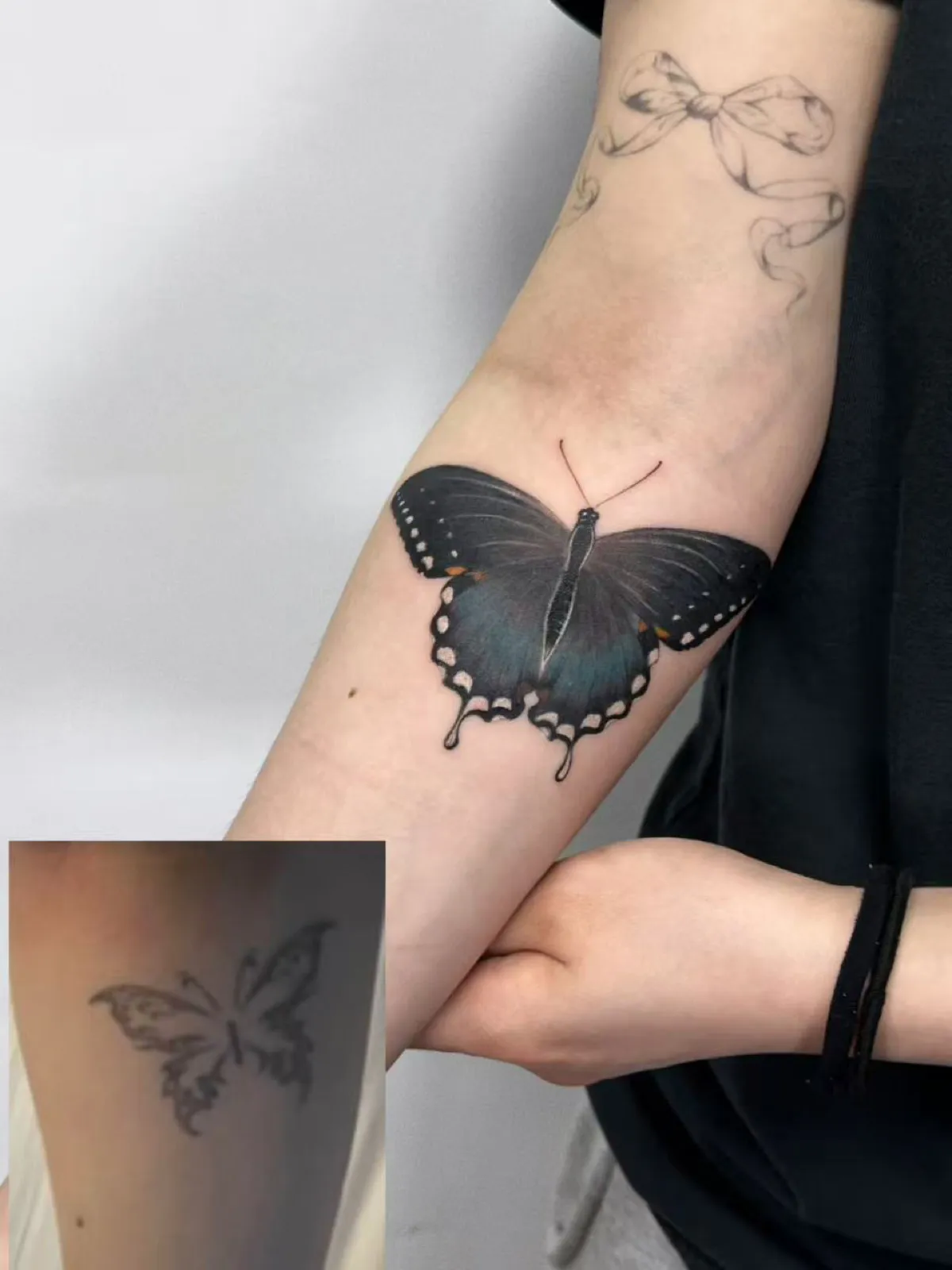
Reworking or hiding an existing tattoo with a new design planned around it — usually darker, denser and larger than the original. Bring clear photos of the existing tattoo plus your idea; the artist replies with what is realistic.
How it ages: A cover-up ages like any other tattoo in its style; it needs enough dark, dense ink to keep hiding the old design as it settles.
Works best for: Existing tattoos that are faded, blurred or unwanted. The new design is usually larger and darker than the original, and laser lightening first can open up more options.
See the 7 artists who tattoo cover up →